
How to Choose a Reliable General Contractor in Austin
Hiring the wrong contractor can turn your dream renovation into a nightmare. Here's how to find a trustworthy professional and protect yourself throughout your project.
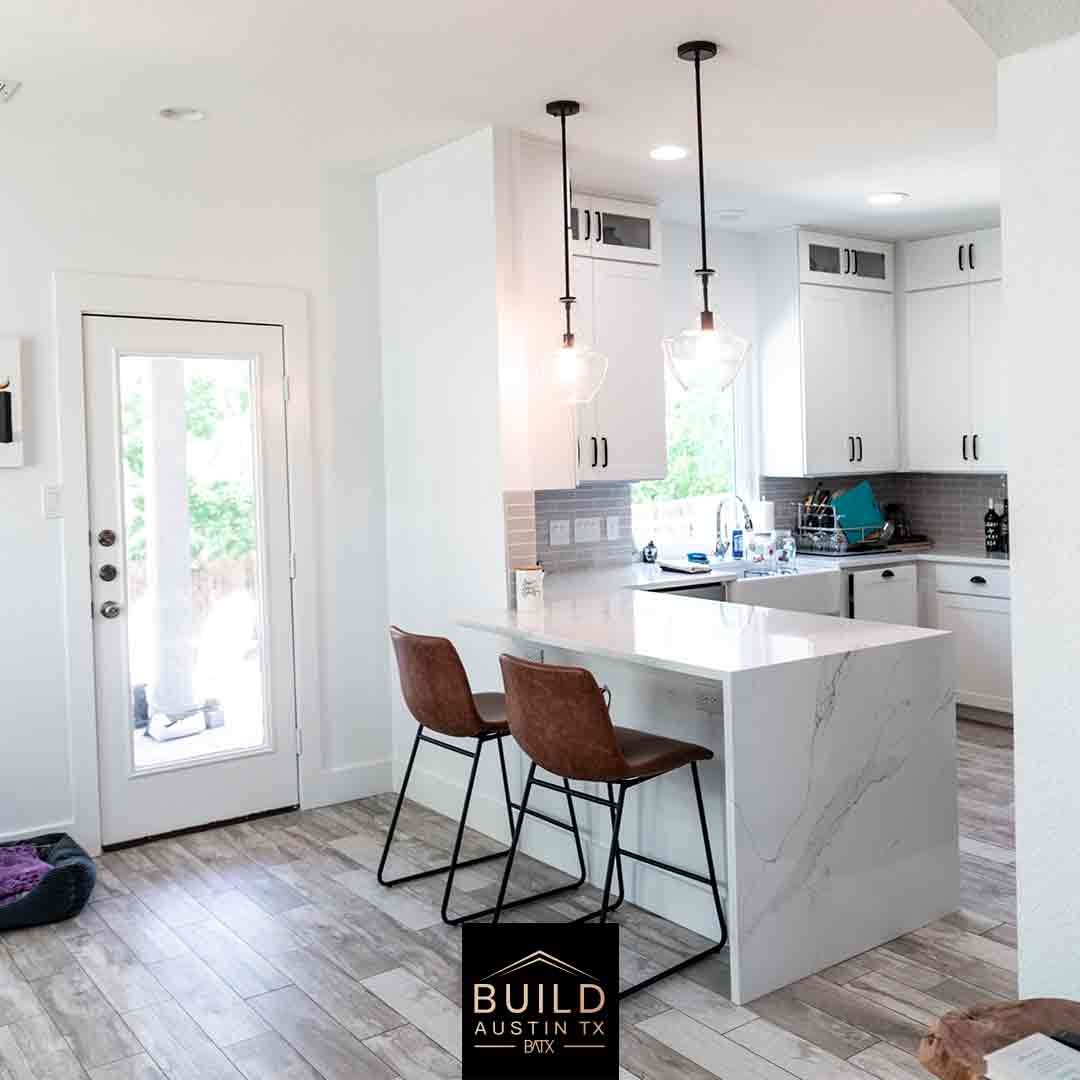
To choose a reliable general contractor in Austin, verify insurance and licensing, check 5+ years in business, review similar completed projects, call recent references, get 3-5 detailed written bids, and never pay more than 30% upfront. Red flags include cash-only payments, reluctance to pull permits, unusually low bids, and pressure to sign immediately.
The good news? Contractor horror stories are avoidable. Here's how to choose a contractor you can trust and protect yourself throughout the process.
7 Essential Questions to Ask Every Contractor
Before signing anything, every potential contractor should be able to answer these questions confidently:
1. "Are you licensed and insured in Texas?"
Texas doesn't require a state-wide general contractor license, but reputable contractors carry:
- General liability insurance - Protects you if something goes wrong on your property
- Workers' compensation - Covers injuries to workers on your site
- Any required local licensing - Some Austin-area municipalities have specific requirements
Ask for certificates of insurance and verify they're current.
2. "How long have you been in business?"
Experience matters. A contractor who has been operating for 5+ years has likely weathered economic cycles and built systems that work. That said, newer contractors with strong references and proper credentials can also be excellent choices.
3. "Can I see examples of similar projects?"
Any contractor should have a portfolio of completed work. Even better, ask to see projects similar in scope to yours. A kitchen specialist and a deck builder are different skill sets.
4. "Can I speak with recent clients?"
References should be recent (within the last year) and relevant (similar project types). When you call, ask:
- Was the project completed on budget?
- Was it completed on time?
- How did they handle problems that came up?
- Would you hire them again?
5. "Who will be on site daily?"
Will the owner be present, or will a project manager oversee the work? Who's your main point of contact? How will you communicate?
6. "How do you handle change orders?"
Changes happen in almost every project. A good contractor has a clear process: changes are documented in writing, with costs and timeline impacts specified before work proceeds.
7. "What's your payment schedule?"
Typical payment structures involve:
- A deposit (10-30%) to secure the project and order materials
- Progress payments tied to milestones
- A final payment upon completion
Be wary of contractors who demand large upfront payments (50% or more) or want cash only. Legitimate contractors understand that payment should follow progress.
Red Flags to Watch For
Trust your instincts. If something feels off, it probably is. Here are warning signs:
- No written contract - Everything should be in writing. Period.
- Vague or verbal estimates - Detailed written estimates protect everyone
- Pressure to decide immediately - "This price is only good today" is a sales tactic
- No physical address or office - You should be able to find them if needed
- Unusually low bids - If one bid is 30% lower than others, something's wrong
- Reluctance to pull permits - "We can skip permits and save you money" is a trap
- Poor communication - If they're hard to reach before the project, it won't improve during
- No online presence or reviews - Most legitimate businesses have some digital footprint
Getting Multiple Bids: What to Compare
We recommend getting 3-5 bids for major projects. But don't just compare the bottom line - compare what's included:
- Scope of work - Are they bidding on the same thing?
- Materials specified - Generic vs. specific brands/models
- Timeline - When will they start? How long will it take?
- What's NOT included - Exclusions matter as much as inclusions
- Warranty - What's covered and for how long?
Protecting Yourself with a Solid Contract
Your contract should include:
- Detailed scope of work - Exactly what will be done
- Materials list - With brands, model numbers, colors
- Total price - And what triggers price changes
- Payment schedule - Tied to specific milestones
- Timeline - Start date, projected completion
- Change order process - How changes are documented and priced
- Warranty information - What's covered, for how long
- Cancellation terms - What happens if either party needs to exit
- Dispute resolution - How disagreements will be handled
During the Project: Best Practices
- Document everything - Photos, emails, written records
- Never pay ahead of completed work - Payments should follow progress
- Address concerns immediately - Don't let small issues become big ones
- Get lien waivers - Before final payment, confirm all subcontractors and suppliers have been paid
- Do a final walkthrough - Create a punch list of any remaining items before final payment
The Relationship Matters
Beyond credentials and contracts, you're going to be working closely with this person for weeks or months. Consider:
- Do they listen to your ideas?
- Do they explain things clearly?
- Do you feel comfortable asking questions?
- Do they show up on time for meetings?
A good contractor-client relationship is built on trust, communication, and mutual respect. Take the time to find the right fit.
Frequently Asked Questions
What questions should I ask a contractor before hiring?
Ask these 7 essential questions: Are you licensed and insured? How long have you been in business? Can I see similar projects? Can I speak with recent clients? Who will be on site daily? How do you handle change orders? What's your payment schedule? Get certificates of insurance and verify they're current.
How do I know if a contractor is reliable in Austin?
Reliable Austin contractors have general liability insurance and workers comp, 5+ years in business, a portfolio of completed work, recent verifiable references, clear communication, and detailed written contracts. Check online reviews and verify their physical address exists.
What are red flags when hiring a contractor?
Red flags include: no written contract, vague or verbal estimates, pressure to decide immediately, no physical address, unusually low bids (30%+ below others), reluctance to pull permits, poor communication, cash-only payments, and demands for large upfront payments.
How much deposit should I pay a contractor?
A reasonable contractor deposit is 10-30% to secure the project and order materials. The remainder should be paid in progress payments tied to completed milestones, with final payment upon completion. Never pay more than 50% upfront.
Do contractors need to be licensed in Texas?
Texas doesn't require a state-wide general contractor license. However, reputable contractors carry general liability insurance, workers' compensation insurance, and any required local licensing. Always verify certificates of insurance.
How many contractor bids should I get?
Get 3-5 bids for major projects like kitchen remodels. Compare scope of work, materials specified, timeline, exclusions, and warranty terms—not just the bottom line price.
What should be in a contractor contract?
A contractor contract should include: detailed scope of work, materials list with brands and model numbers, total price, payment schedule tied to milestones, timeline, change order process, warranty information, cancellation terms, and dispute resolution terms.
Ready to Discuss Your Project?
We're happy to answer any questions and provide a detailed estimate for your renovation.
Contact Us