
What Are Tenant Improvements? A Business Owner's Guide
Signing a commercial lease in Austin? Here's everything you need to know about tenant improvements, TI allowances, build-out costs, and how to negotiate the best deal for your business.
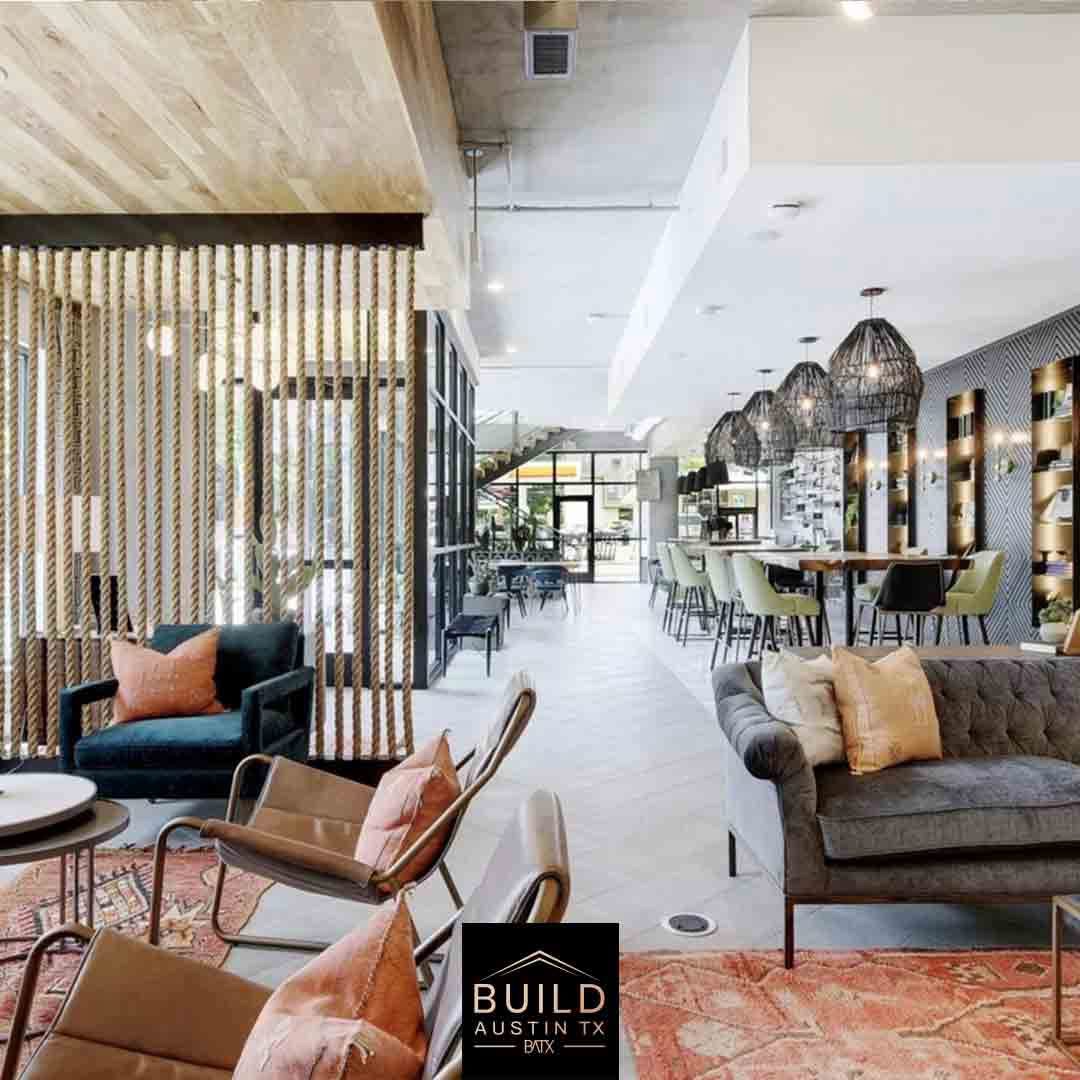
Tenant improvements (TI) are modifications made to a commercial space to fit a specific business's needs. In Austin, TI costs range from $50-$200+ per square foot depending on the type of space. Landlords typically contribute a TI allowance of $15-$80 per square foot, negotiated as part of the lease. The gap between allowance and actual cost is the tenant's responsibility — and understanding that gap before you sign is the difference between a smart lease and an expensive surprise.
What Counts as a Tenant Improvement?
Tenant improvements are any modifications that customize a commercial space for a tenant's business. Common TIs include:
- Walls and partitions — Building offices, conference rooms, storage areas
- Flooring — Replacing carpet with hardwood, polished concrete, or commercial tile
- Electrical and data — Adding outlets, dedicated circuits, structured cabling, server room wiring
- Lighting — Upgrading to LED, adding task lighting, dimmer systems
- HVAC — Zone modifications, additional capacity for server rooms or kitchens
- Plumbing — Break room sinks, additional restrooms, commercial kitchen rough-in
- Finishes — Paint, millwork, custom reception desks, branding elements
- ADA compliance — Accessible restrooms, doorway widths, ramp installations
TI Costs in Austin by Space Type
| Space Type | Cost per Sq Ft | 2,000 Sq Ft Build-Out |
|---|---|---|
| Basic Office | $50 - $75 | $100,000 - $150,000 |
| Creative/Open Office | $60 - $100 | $120,000 - $200,000 |
| Medical/Dental | $100 - $175 | $200,000 - $350,000 |
| Retail Storefront | $75 - $125 | $150,000 - $250,000 |
| Restaurant/Bar | $125 - $200+ | $250,000 - $400,000+ |
Understanding TI Allowances
The TI allowance is the landlord's contribution to your build-out, expressed as dollars per square foot. It's one of the most important — and most negotiable — terms in a commercial lease.
Typical Austin TI Allowances in 2026
- Class A office (Domain, downtown): $40-$80/sq ft
- Class B office (suburban corridors): $20-$40/sq ft
- Retail (South Congress, East Austin): $20-$50/sq ft
- Industrial/flex: $10-$25/sq ft
- Second-generation space (previously built out): $10-$30/sq ft
A higher TI allowance isn't free money — landlords recoup it through higher base rent over the lease term. A $50/sq ft allowance on a 5-year lease typically adds $0.85-$1.00/sq ft to your monthly rent. Run the math both ways before negotiating: sometimes a lower allowance with lower rent costs less over the full lease.
How to Negotiate Your TI Allowance
- Get construction estimates before signing the lease. You need to know the actual build-out cost to negotiate an appropriate allowance. A general contractor can provide preliminary pricing from floor plans.
- Negotiate the allowance against the gap. If your build-out costs $90/sq ft and the landlord offers $30/sq ft, you're covering $60/sq ft out of pocket. Ask for $50/sq ft and offer a longer lease term or higher base rent in exchange.
- Request a "turnkey" build-out for standard improvements. Some landlords will build out to a standard spec (called "building standard" or "vanilla box") at their cost, then give an additional allowance for customization.
- Negotiate unused allowance as rent credit. If your build-out comes in under the allowance, negotiate for the difference to be applied as free rent in the first months of your lease.
- Get the timeline in writing. Your lease should specify when the space will be ready. Construction delays cost you money — every week without your space is a week of paying rent without revenue.
The TI Build-Out Process
Here's how a typical tenant improvement project works in Austin:
1. Space Planning (1-2 weeks)
Your contractor or architect creates a layout based on your business needs — how many offices, open desk areas, meeting rooms, break room requirements, and customer-facing spaces.
2. Design and Engineering (2-4 weeks)
Detailed construction drawings for walls, electrical, HVAC, plumbing, and finishes. These drawings are required for permit applications.
3. Permitting (2-6 weeks)
Commercial permits in Austin take longer than residential. The City of Austin Development Services Department reviews plans for code compliance, fire safety, ADA requirements, and zoning. Learn more about Austin permits.
4. Construction (6-16 weeks)
Demolition, framing, mechanical rough-in (HVAC, electrical, plumbing), inspections, drywall, finishes, fixtures, and final inspections. A good contractor coordinates this so trades aren't waiting on each other.
5. Certificate of Occupancy
The City issues a CO after final inspections pass. You cannot legally occupy or open your business without it. Plan for 1-2 weeks after construction completion.
Common Mistakes Business Owners Make
- Signing the lease before getting construction estimates. You need to know your actual costs to negotiate the right allowance. Getting estimates after signing leaves no leverage.
- Using the landlord's contractor without getting independent bids. Landlord-recommended contractors aren't always the best value. Get 2-3 independent bids for comparison. Read our guide to choosing a contractor.
- Underestimating timelines. Austin commercial permits take 2-6 weeks. Add that to 8-16 weeks of construction and you're looking at 3-5 months before your doors open. Start construction planning during lease negotiation, not after signing.
- Ignoring ADA requirements. ADA compliance is non-negotiable for commercial spaces. Restrooms, doorways, signage, and accessible routes all have specific requirements. Retroactive ADA fixes cost 3-5x more than building correctly the first time.
- Not budgeting for furniture, fixtures, and equipment (FF&E). TI allowances typically cover construction only — not your desks, chairs, POS systems, kitchen equipment, or signage. Budget FF&E separately.
Frequently Asked Questions
What is a tenant improvement allowance?
A TI allowance is the dollar amount a landlord contributes toward building out your commercial space, expressed per square foot. In Austin, allowances range from $10-$80/sq ft depending on space type, location, lease length, and market conditions. The allowance is negotiated as part of the lease agreement.
Who pays for tenant improvements?
Both landlord and tenant share the cost. The landlord provides the TI allowance, and the tenant covers any costs beyond that amount. On a 3,000 sq ft space with a $30/sq ft allowance and $80/sq ft build-out, the landlord covers $90,000 and the tenant pays $150,000.
How long do tenant improvements take?
Total timeline from lease signing to move-in is typically 3-6 months in Austin. That includes design (2-4 weeks), permitting (2-6 weeks), and construction (6-16 weeks). Restaurant build-outs take the longest due to commercial kitchen requirements and health department inspections.
Can I do tenant improvements myself?
For cosmetic work (paint, minor fixtures), sometimes. For anything involving electrical, plumbing, HVAC, or structural changes, you need a licensed contractor and permits. Most commercial leases require landlord approval of your contractor and construction plans before any work begins.
Do I lose my tenant improvements when the lease ends?
Generally yes — tenant improvements become the property of the landlord when the lease expires. Some leases require you to restore the space to its original condition ("restoration clause"), which can cost $15-$40/sq ft. Negotiate this clause out of your lease if possible, or cap the restoration obligation.
Ready to Plan Your Build-Out?
Whether you're signing a new lease or renovating an existing space, understanding your build-out costs early gives you leverage in every negotiation. We'll review your space, discuss your business needs, and provide a detailed estimate you can use during lease negotiations.
Get a Free Commercial Build-Out Estimate
Let's review your space requirements and create a realistic budget for your Austin TI project.